You send the same pepper-mill drawing to a factory and receive three prices: beech, rubberwood and walnut. The shape and mechanism are unchanged. What are you actually paying for?
The timber price is only part of the answer. Colour selection, usable blanks, drying, machining and surface preparation can change the cost of an acceptable finished body. Before comparing quotations, specify the species: this article covers European beech (Fagus sylvatica), rubberwood (Hevea brasiliensis) and American black walnut (Juglans nigra). “Beech” and “walnut” alone leave room for different materials.
Beech: discuss drying before approving the shape
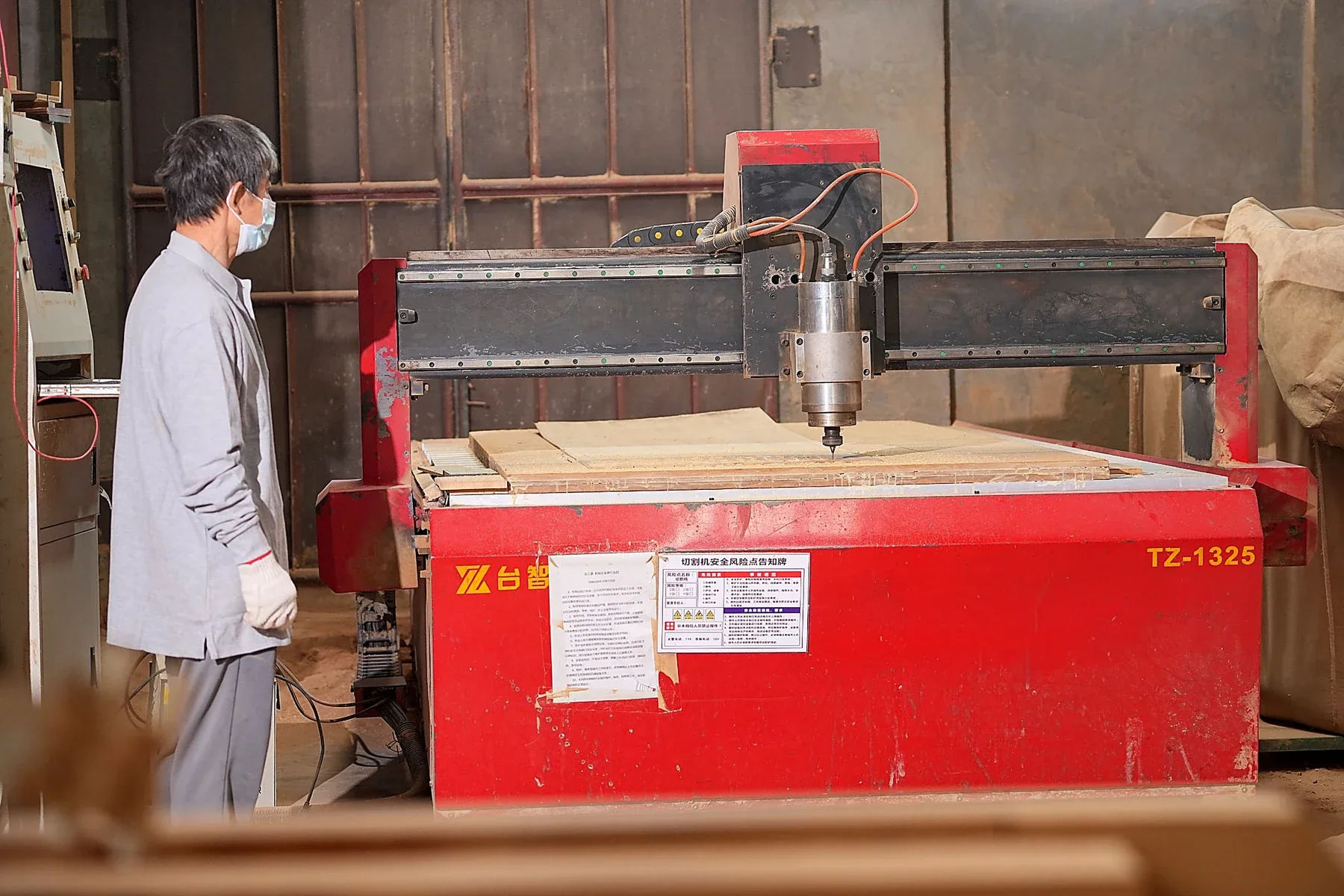
European beech has a relatively homogeneous structure that supports machining operations such as drilling, milling and sanding. The Bavarian State Institute of Forestry, LWF, also identifies growth stresses that can contribute to cracking or distortion during kiln drying, and comparatively pronounced swelling and shrinkage as moisture changes. Steaming can reduce stresses and make colour more uniform; it is not a guarantee against later movement. LWF: European beech properties and uses
For a pepper mill, this makes the condition of the blank worth discussing alongside the turned profile. Ask whether the quoted beech is steamed, how dried stock is stored before machining and when moisture is checked. Request the supplier's proposed moisture acceptance range and the conditions behind it, rather than imposing one percentage on every climate and construction.
Mark the functional dimensions on the drawing: the mechanism mounting area, shaft passage and head-to-body fit. Compare them at the agreed inspection stages. A body that looks right immediately after turning still needs to fit when it is finished and assembled.
Rubberwood: look closely at the machined surface
Rubberwood can be turned, bored and glued successfully. However, FAO and FRIM specialists describe tension wood that can leave fuzzy grain after machining, and possible distortion or discolouration during seasoning. Proper sanding helps it take finishes well. These are material-processing considerations, not proof that a particular shipment will have defects. FAO: Rubberwood properties and processing
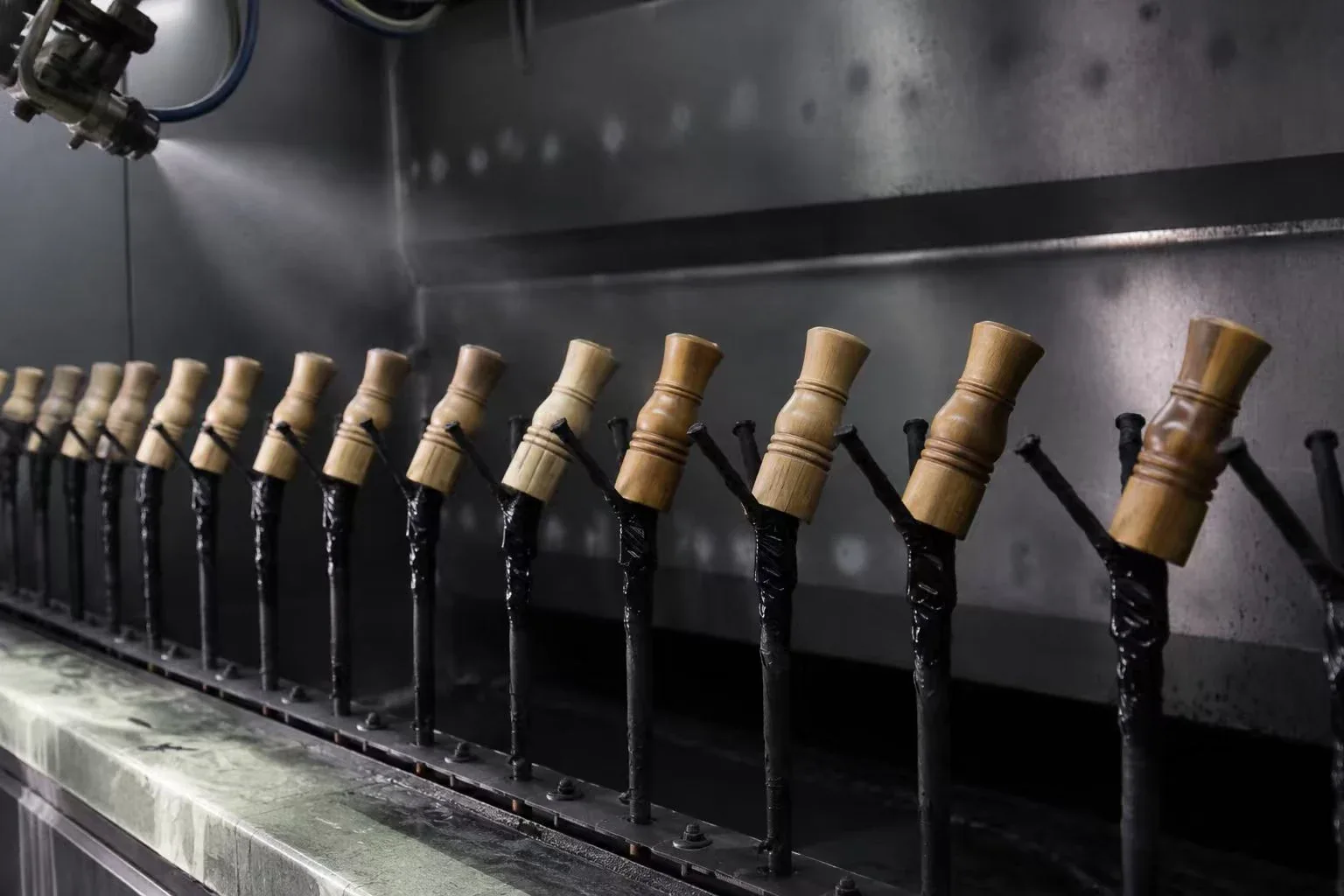
Ask to see an unfinished turned body as well as the polished sales sample. Inspect the curved shoulder, grooves and bottom edge for torn or raised fibres. Then examine the same areas after the proposed sanding and coating process. The useful question is how the normal production route reaches the agreed surface, including any extra sanding, rather than whether a carefully reworked sample looks good.
Clarify the blank construction too. If a supplier proposes glued pieces or finger joints, agree where joins may appear on the finished shape and request a sample made that way. Keep the adhesive and any timber-treatment details in the material specification; a species name does not establish suitability for the intended food-contact construction.
Walnut: an all-brown body is a selection requirement
American black walnut combines pale sapwood with brown heartwood. AHEC notes that its lumber is generally supplied without colour selection, and walnut grading permits sapwood. It also describes good turning and finishing properties; some suppliers offer steaming intended to darken the sapwood. AHEC: American walnut
A dark sample therefore needs an accompanying colour agreement. Is pale wood allowed on the back, underside or removable head? Must both mills in a gift set match? Ask for the price with ordinary permitted variation and the price with your tighter selection, keeping the drawing and finish unchanged.
Staining rubberwood to a walnut-like colour is another proposal altogether. Label it by its actual species and finish. It should not enter a quotation comparison as “walnut” merely because the photographs look similar.
Make the quotation survive the first production run
Keep the height, profile, mechanism, order quantity and packing specification constant across the three quotations. Then identify what each price includes: blank construction, drying or conditioning, colour selection, sanding and finish. Ask which requirement drives the difference if a supplier cannot separate individual process costs.
For the selected wood, retain three identifiable references: an unfinished body, a finished body and an assembled mill from the proposed production route. They let a buyer distinguish machining marks from finish problems and appearance differences from assembly-fit problems. Agree the acceptable colour range beside those references, with cracks and loose components treated separately.
When asking A-LIFE Grinder to assess a wooden pepper-mill project, send the drawing and the finish you want to sell. Ask which wood and blank construction can meet that result, and what process evidence should accompany the first samples.
Sources checked October 14, 2026.
RELATED READING