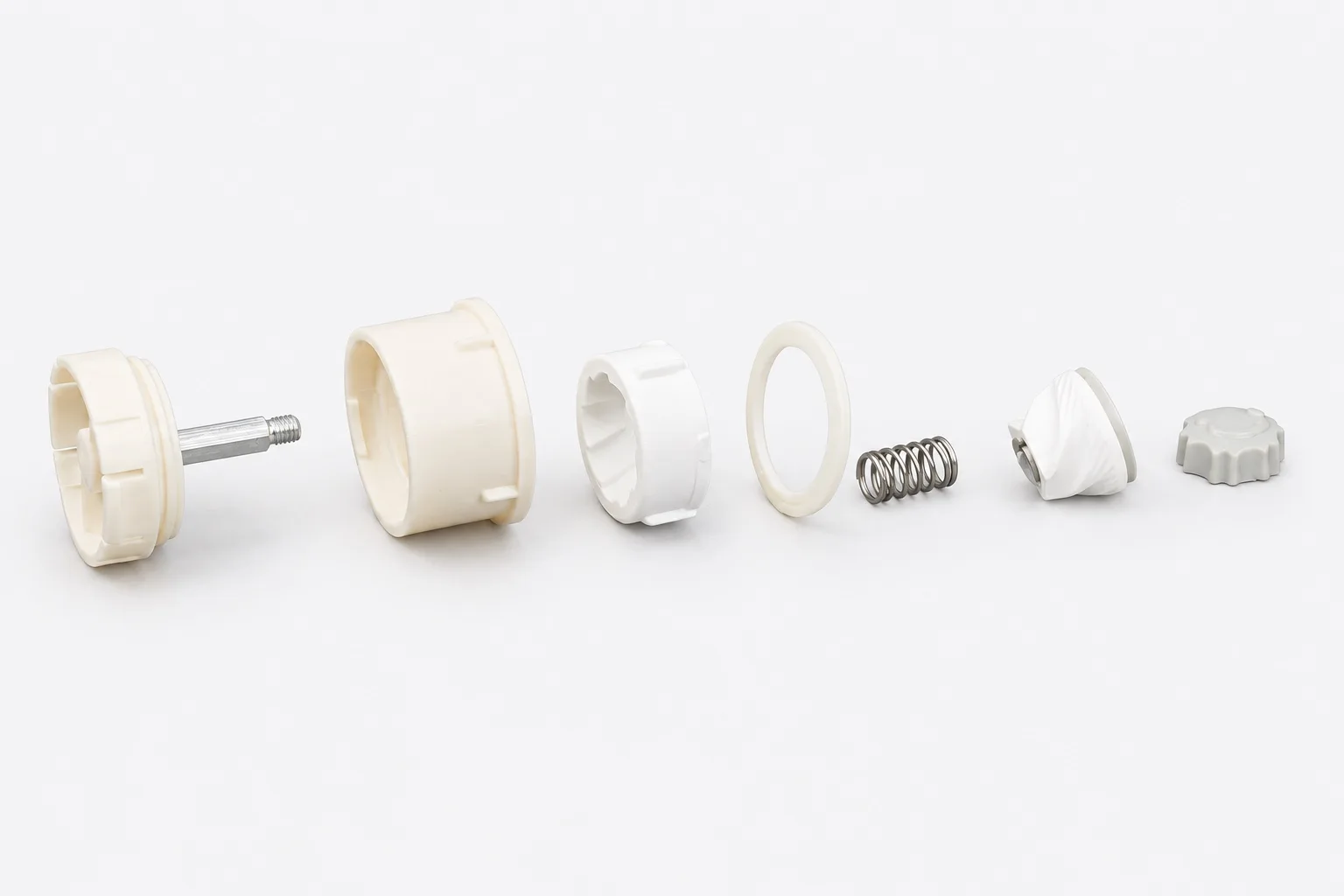
You budget for 1,200 pepper mills. The launch artwork shows six colours, so you put 200 beside each colour on the purchase enquiry. The supplier replies with a higher total—or asks you to order 1,800 pieces.
Before negotiating the unit price, find the line that changed: the quantity you must buy, a separate colour charge, or the specification itself. Each calls for a different response.
The numbers below are worked assumptions, not A-LIFE prices, minimums or customer orders. Replace them with the conditions on your quotation.
The quantity line: 1,200 overall does not mean 200 per colour
Suppose a quotation requires 300 finished mills per colour:
- Three colours at 400 each: 1,200 pieces; the plan meets that condition.
- Six colours at 200 each: 1,200 pieces; the plan falls short in every colour.
- Six colours at 300 each: 1,800 pieces; you buy 600 more than planned.
At an assumed product price of USD 8 each, those extra 600 pieces commit USD 4,800, before freight, tax or storage. A small unit-price discount may be less important than funding that additional stock.
Ask which item creates the minimum: finished coloured bodies, coating material, printed boxes, or an available stock configuration. “MOQ 1,200” without that explanation leaves the colour split unresolved. Paying a setup charge does not automatically make a below-minimum quantity available.
The colour charge: find out what repeats
Consider a separate quotation that explicitly accepts 200 pieces per colour, with an additional USD 60 preparation charge per colour. For the same 1,200-piece order, six charges total USD 360; three total USD 180. The difference is USD 0.15 per mill. Count it once: check whether it is separate or already included in the unit price.
Then establish what “preparation” covers. A painted body, stained wooden body and ready-finished stock body are different purchasing situations.
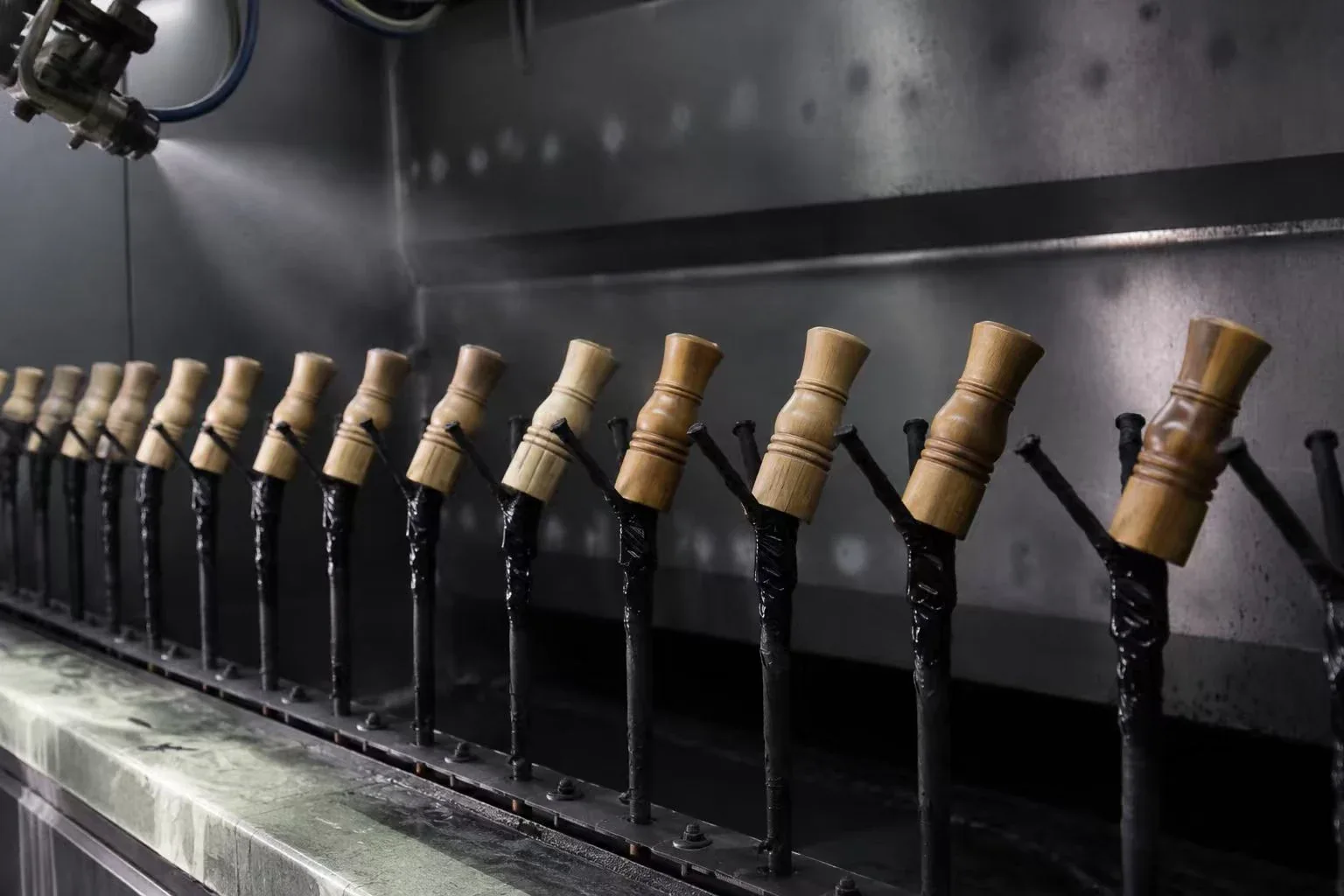
For sprayed finishes, colour change can involve flushing equipment. Graco describes this operation in its spray-gun equipment guidance. If your quote includes a changeover charge, ask which operation it covers and whether it repeats on the next order. Graco colour-change equipment
For stained wood, approve a finish sample on the proposed wood. Minwax notes that wood species and stain technology affect the final colour. Record the species and finish beside the approved sample; changing either later may undermine that reference. Minwax stain colour guide
If the offer depends on finished stock, record the available quantity and whether replenishment will use the same specification. Existing stock availability says nothing about the minimum for a new production batch.
The reorder line: price the colour that sells out
Return to the first example, with a 300-piece minimum. Later, you need only 120 more black mills. A 300-piece reorder leaves 180 extra pieces; at the same assumed USD 8, that is USD 1,440 committed beyond the immediate requirement. This is inventory exposure, not automatically a loss: the question is how long those pieces may take to sell.
Ask for a single-colour reorder quotation alongside the launch quotation. It should identify quantity, repeat charges, lead time and any remaining packaging or coloured parts already paid for. An initial colour-approval fee might be one-off; batch preparation might recur. Get those two lines distinguished in writing.
For a new range without colour-level sales history, compare a smaller launch palette against the extra stock commitment. Keep six colours when customer orders or channel requirements justify them—not simply because six look better together in a photograph.
For an A-LIFE Grinder colour enquiry, include the quantity by colour and the smallest single-colour reorder you expect. That makes the first quote useful beyond launch day.
Sources checked October 14, 2026.
RELATED READING