The pepper mill sample turns smoothly, produces the grind you want and matches the packaging artwork. You approve it. A month later, the shipment looks familiar but feels different in use. Now both sides are searching old messages for what “same as sample” meant.
A useful pepper mill sample approval needs a physical reference and a written production specification. Give the reference a sample ID and date; link it to the bill of materials, mechanism model, drawing revisions, wood and finish specification, and agreed inspection method. Record any hand fitting or prototype parts that will change in production.
The following three situations are hypothetical. They show the checks worth settling before a bulk order, rather than claims about A-LIFE production history.
A replacement mechanism fits, but the adjustment feels different
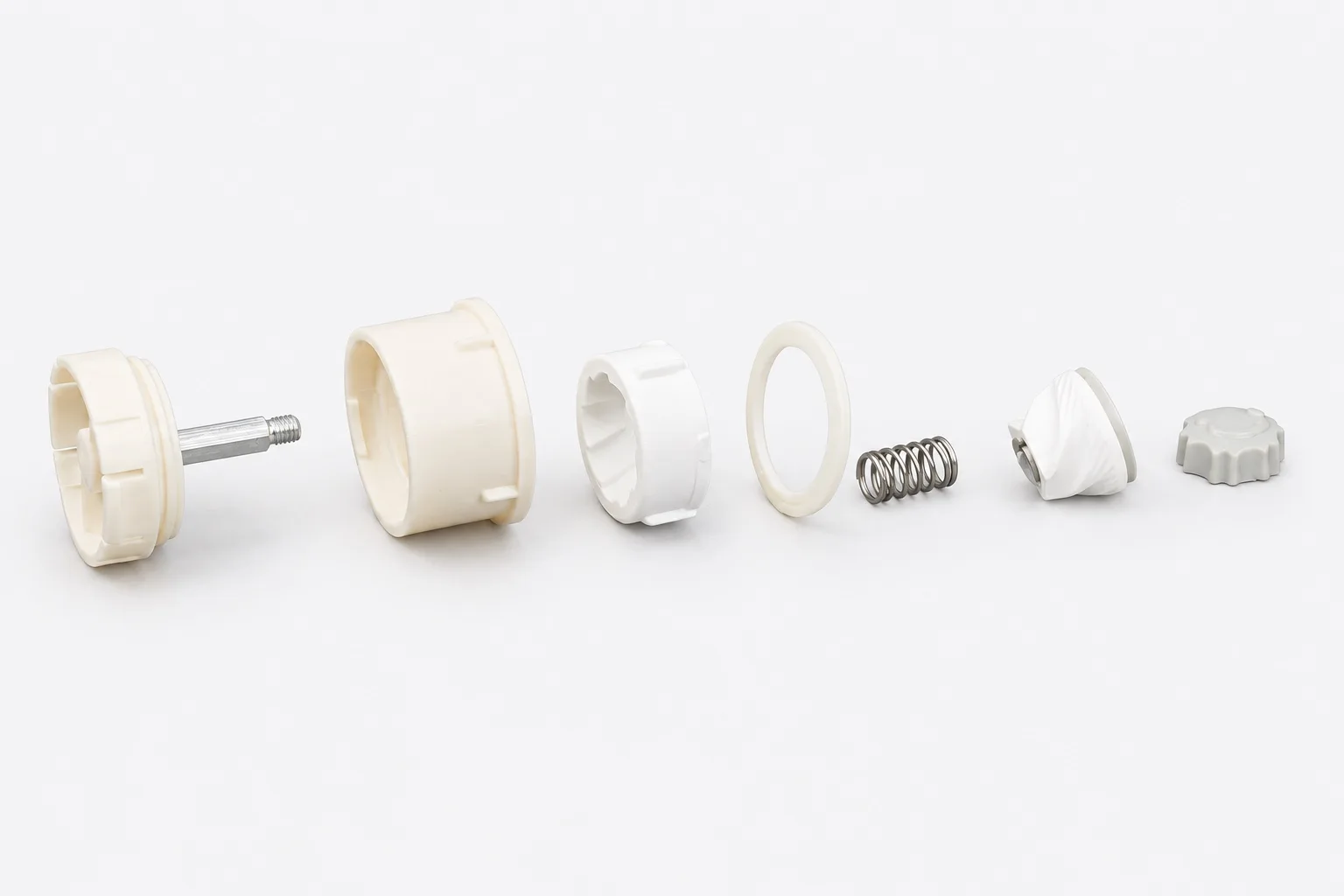
Imagine a substitute mechanism with the same outside diameter but a different seating height. It can enter the body, yet the completed assembly no longer behaves like the approved sample. Approving “ceramic mechanism” did not identify the actual assembly.
Lock the mechanism part number and revision, its mating body features, and the shaft or drive connection used in that design. Have the supplier mark the functional interfaces on the drawing: mounting seat, retention feature, drive engagement and required clearance. Agree the relevant dimensions and tolerances with the engineer responsible for the assembly.
Also record how the mechanism is seated and how the adjustment reference is established. Inspect an assembly made through the intended production process against that record; a hand-adjusted sample alone does not answer whether the same setup will be repeated.
Protolabs’ manufacturing guidance describes identifying dimensions critical to function and documenting their inspection. That is a useful principle here: measure the interfaces that make the mill work, rather than treating overall height as sufficient evidence. Protolabs critical-to-quality inspection guidance
The wooden bodies carry the same colour name but look like different ranges
Suppose the approved body is a pale piece of wood, while production includes darker grain. The stain name has stayed the same, but the buyer rejects the colour spread.
Minwax explains that natural wood colour, grain and lighting can affect a stain match. A phone photograph of one attractive sample therefore makes a weak acceptance reference. Minwax stain-matching guidance
Approve physical examples showing the acceptable light and dark limits, together with any grain features the buyer will accept or reject. Label those decisions explicitly. Use the intended wood species and finish system, and compare under agreed lighting. Keep gloss and surface defects separate from colour: a body can fall within the colour range and still have an unacceptable finish mark.
Give the buyer and factory matching, identified reference sets. Store them with the approval record so a later inspector can distinguish an accepted range from a collection of unapproved swatches.
Both sides measure output, but their results cannot be compared
In another scenario, the supplier measures pepper output over 20 full turns with a nearly full chamber. The buyer uses a different pepper batch and starts almost empty. A disagreement about grams produced does not yet prove that production has changed.
For a trial using 20 turns, specify the pepper lot, starting fill mass, adjustment reference, turn-count method and collection procedure. Identify the balance and its resolution, tare the container, and repeat the same procedure on the retained sample and production units. Record individual readings; agree acceptance limits before inspection. This is an example method to develop, not an industry pass standard.
NIST’s measurement guidance explicitly considers differences between instruments, operators and setup procedures. Those differences belong in the investigation before either side blames the mill. NIST measurement-system considerations
Make later changes visible
Keep the approved reference protected; identify working comparison samples separately. If a mechanism, material, finish or assembly method changes, record the old and proposed versions, the reason, affected checks, results and named approval. Mark the first batch using the change so old and new stock remain traceable.
When reviewing an A-LIFE Grinder sample, ask to attach these decisions to the sample approval. “Approved” then points to a reproducible specification, rather than a memory of how one mill felt.
Sources checked October 14, 2026.
RELATED READING